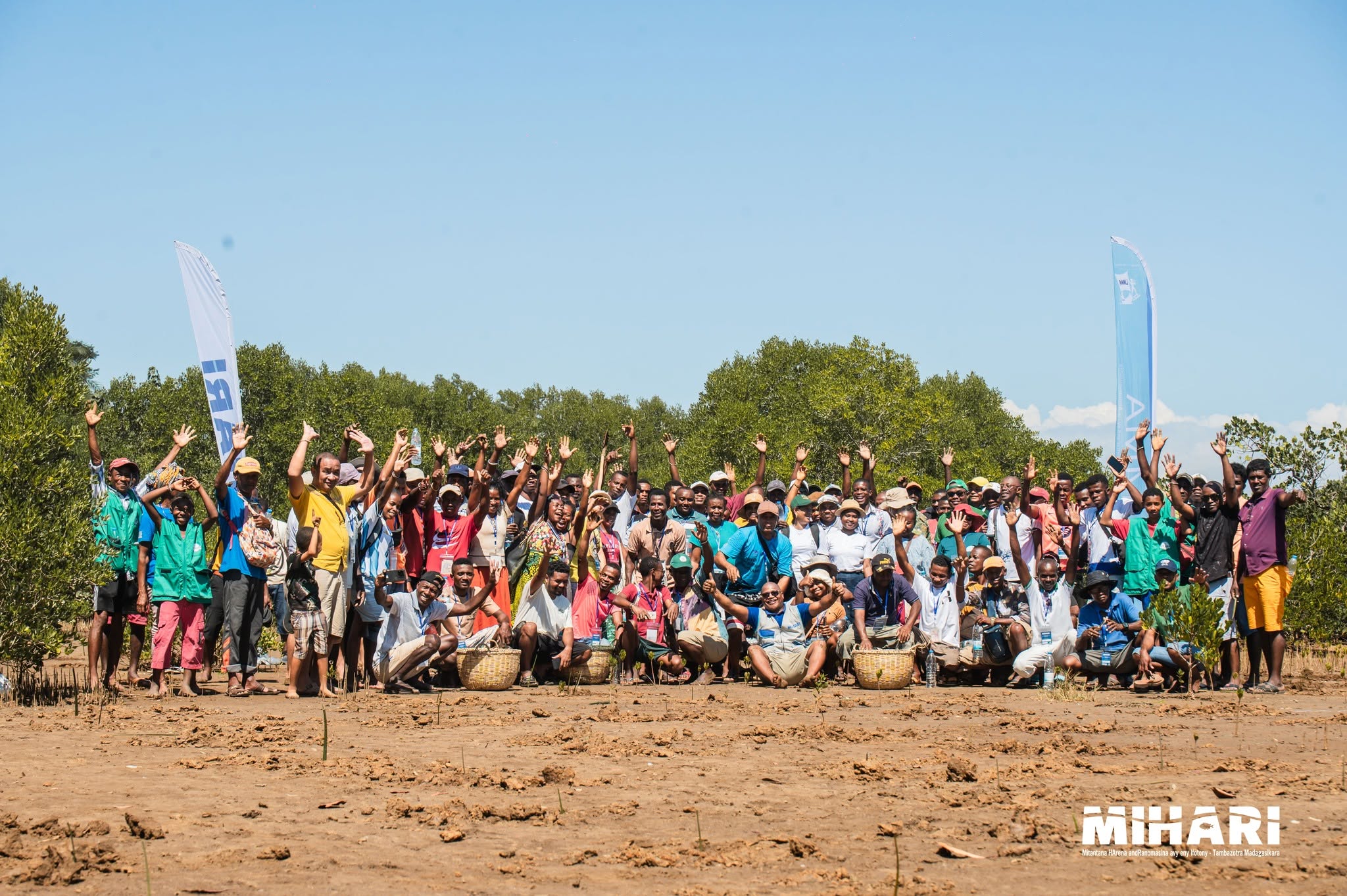
From 27 to 30 July 2026, the MIHARI Network brought together Local Managed Marine Area (LMMA) stakeholders from the Diana, Sofia and Boeny regions in Nosy Be Hell-Ville. Over four days, more than 300 participants, including community representatives, authorities, marine conservation organisations and other stakeholders, shared their experiences and knowledge around a common objective: strengthening local governance and the sustainable management of marine resources while responding to the economic, social and climate realities of coastal communities.
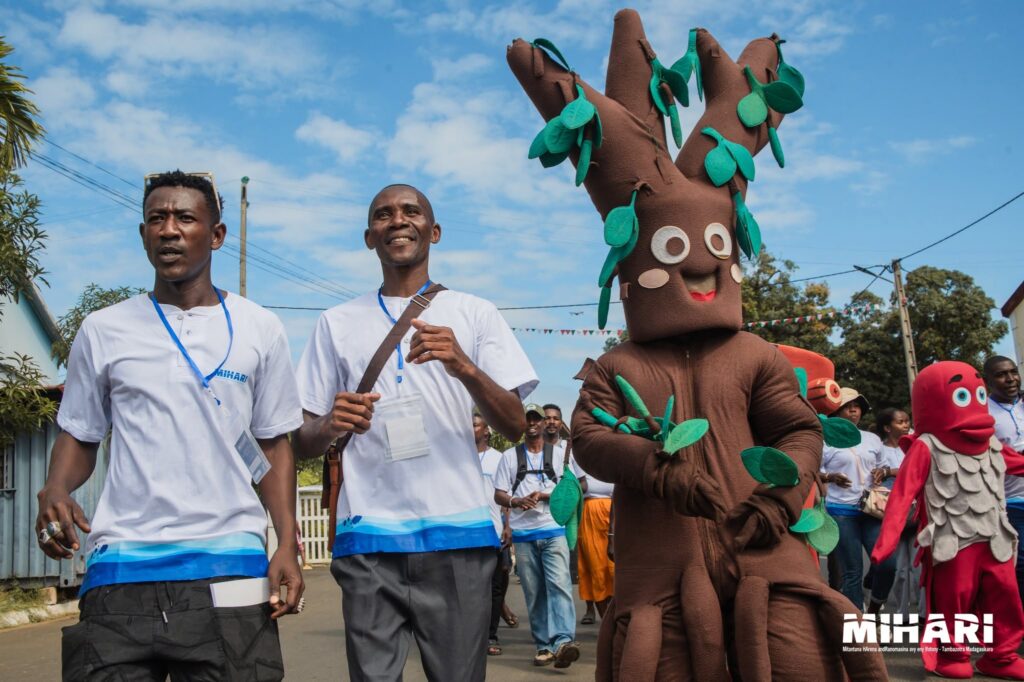
Beyond the discussions and field visits, the North-West LMMA Regional Forum provided a space for dialogue between communities, authorities, conservation organisations and partners. It offered an opportunity to take a closer look at experiences from different LMMAs: how communities mobilise, what enables them to sustain their initiatives over time, the challenges they face, and the conditions that support sustainable marine resource management.
These discussions also raised broader structural questions: How can LMMAs be better recognised? How can public policies covering marine areas, land and the environment be better aligned? How can law enforcement be strengthened? And, above all, how can communities fully exercise their responsibilities in managing the territories and local livelihood areas on which they depend?
These experiences reflect different realities, but also reveal common challenges. They show that community-based marine conservation is not only about protecting an area. It also depends on communities’ ability to organise themselves, have their rights recognised, manage their resources, develop alternative livelihoods and work with stakeholders within their territories.
Initiatives rooted in local realities
In North-West Madagascar, several LMMAs have emerged in response to pressures directly experienced by communities. Their history rarely begins with a predefined model. Instead, it often starts with a declining resource, a conflict over resource use or a threat to livelihoods, prompting communities to seek collective solutions.
In Antanamitarana, community mobilisation was strengthened in response to mangrove exploitation for charcoal production. Through awareness-raising, local organisation and support from partners, the restoration and management of these ecosystems gradually became a shared responsibility. In Antsanitia, the Ezaka association was established in 2001 in response to pressure from large fishing vessels on artisanal fishers. Over the years, strengthened governance and resource protection have been accompanied by training on climate change, aquaculture and fish aggregating devices, as well as alternative livelihood opportunities for women during periods of low catches.These experiences show how closely community-based marine resource management is linked to the economic and social realities of each territory. Conservation rules become more meaningful when they respond to the concerns of people who depend on these resources every day. Yet local realities do not stop at the boundaries of a community or region. Marine resources move across territories, pressures can be similar, and governance challenges may be shared. Cooperation between regions therefore provides an opportunity to learn from one another and develop more coherent responses.
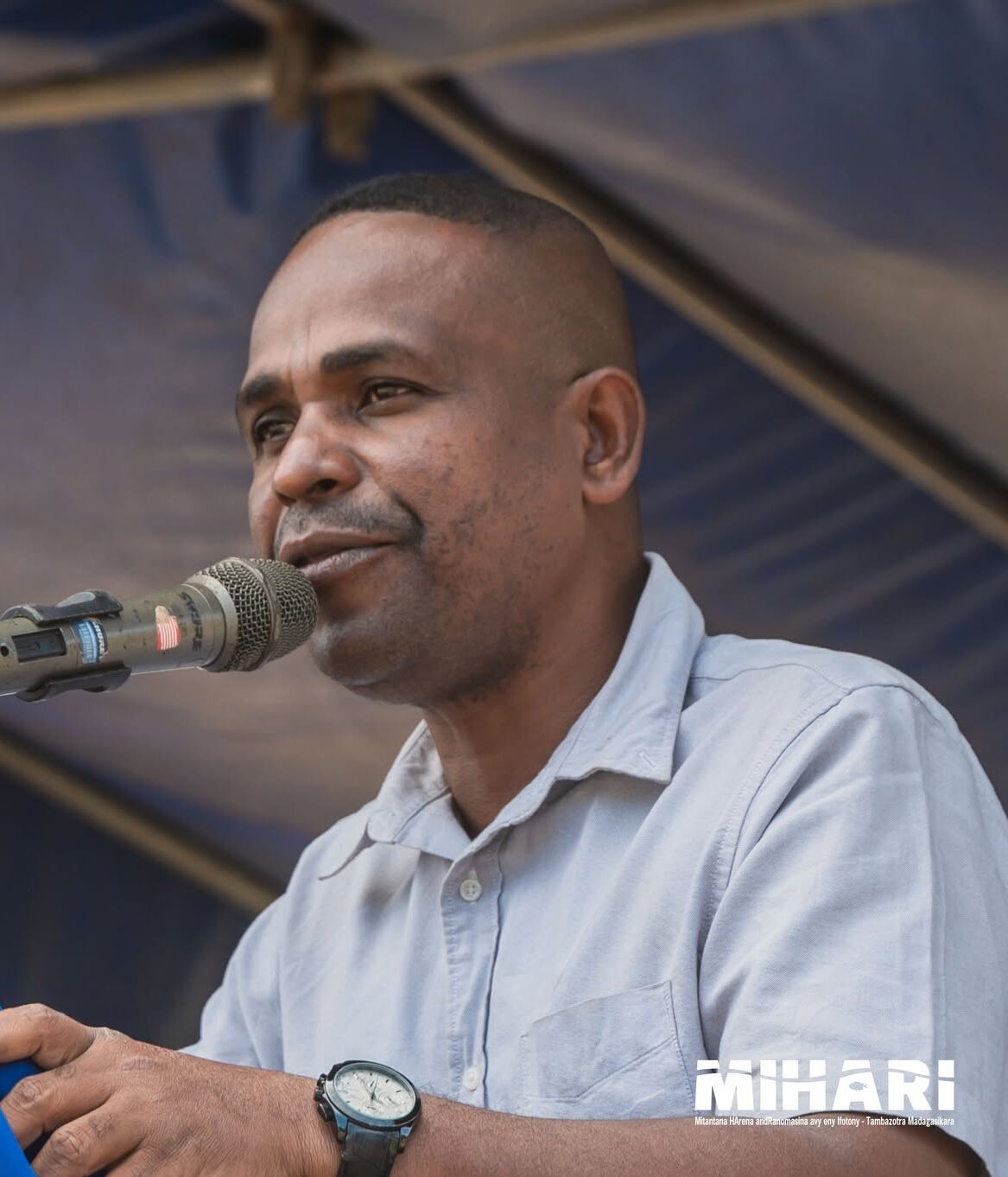
This commitment to strengthening links between Diana, Sofia and Boeny is closely aligned with one of the key functions of the MIHARI Network: facilitating the exchange of experiences and creating connections between communities, authorities, conservation organisations and partners.
From communities to authorities: dialogue on LMMA governance
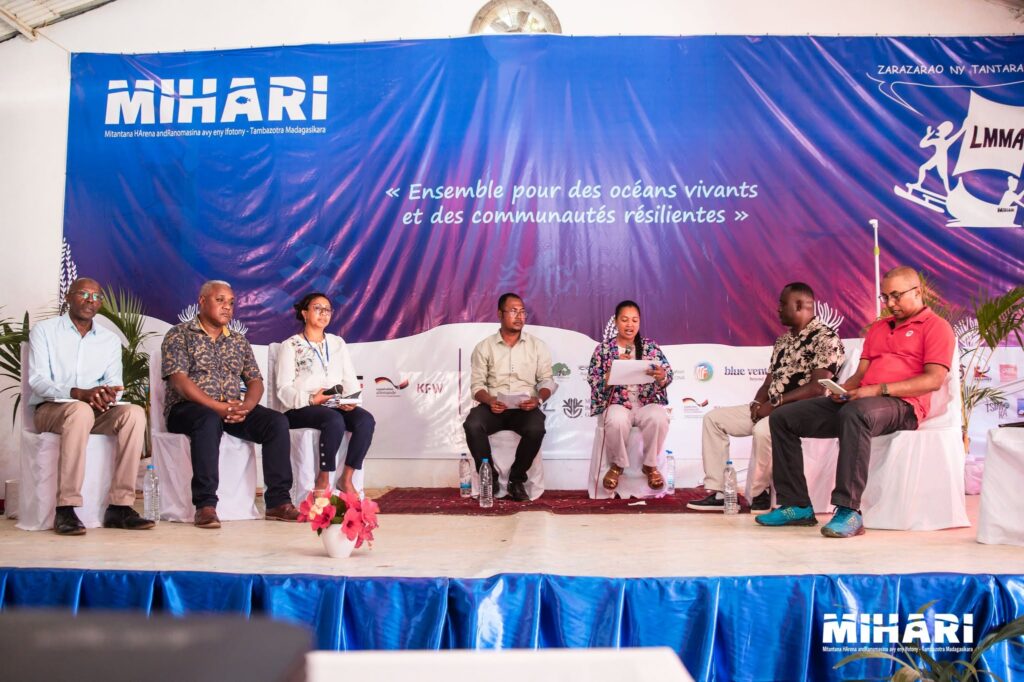
On 28 July, the Forum dedicated significant time to dialogue with authorities through a panel discussion bringing together representatives from the Ministry of Fisheries and Blue Economy, the Ministry of Environment and Sustainable Development, the Ministry of Territorial Planning and Land Affairs, the Nosy Be Prefecture and the MIHARI Network.
The discussions focused on a central issue: strengthening governance among the different stakeholders involved in LMMAs, particularly through better coordination of sectoral policies, stronger implementation of laws and regulations, and improved collaboration between decentralised technical services and decentralised local authorities.The discussion also highlighted that LMMAs are not simply conservation areas. They are part of territories and local livelihood areas where issues related to fisheries, land, the environment, livelihoods and local development intersect. Institutional representatives highlighted progress made since the Fifth National LMMA Conference held in Mahajanga in 2024. Recognition of LMMAs is now supported by several existing legal and policy frameworks, including the Blue Policy, the Fisheries Code, PAP, TGRH and TGRN. An important step has also been taken with the publication of the Interministerial Order on OECMs, which establishes an official framework for the recognition and labelling of LMMAs meeting the required criteria.
The next step is therefore to consolidate this momentum. The MPEB reaffirmed its commitment to moving forward with LMMA labelling, while continuing to strengthen the legal and policy framework governing them. The MEDD committed to continuing its work with the MIHARI Network and other stakeholders on the development of policies and the status of LMMAs. The MATSF, for its part, reaffirmed its role in securing land tenure and planning the use of the areas concerned. This institutional momentum is essential: for communities to sustainably manage their territories, they need clearly recognised responsibilities, coherent rules and effective coordination among institutions.
At national level, the discussions recalled that 222 LMMAs were officially registered, including 58 with a TGRH and 50 with a TGRN. At the same time, 53 LMMAs still have no supporting structure. Around 200 LMMAs have already received support through different projects and funding mechanisms. These figures highlight both the progress achieved and the scale of the work that remains. Recognition already exists, but it needs to be further strengthened to secure communities’ responsibilities and consolidate the management of their territories. The discussions therefore identified several priorities: better alignment of sectoral policies, clearer responsibilities among stakeholders, stronger enforcement of rules, faster recognition mechanisms, and particular attention to LMMAs that remain insufficiently supported.
Securing these territories is not limited to marine areas. In coastal territories, land issues and the use of space can directly affect communities and their management initiatives. The MATSF therefore highlighted the importance of marine spatial planning and planning tools to better organise the use of spaces and strengthen the security of territories managed by communities. In Nosy Be and Ambanja, issues related to the definition and use of coastal areas demonstrate how LMMA governance needs to be considered alongside other territorial policies. Marine conservation cannot be separated from the land-related and social realities of the local livelihood areas in which it takes place.
Strengthening recognition to secure territories
Sustaining an LMMA requires more than initial mobilisation
Community mobilisation is a starting point, but it is not enough on its own to ensure the sustainability of an LMMA. Experiences shared in Nosy Be showed that organisations must progressively develop the capacities required to manage their activities, financial resources, partnerships and responsibilities.
In Ankorikahely, for example, the management of funds generated through community surveillance activities highlighted the importance of having clear rules in place. Keeping supporting documents, controlling expenditure and collectively validating decisions have become important elements in strengthening transparency and maintaining trust within the organisation. The Fédération Ambara Lovainjafy, which brings together 20 VOIs, illustrates another dimension of this issue. When several communities are brought together within the same structure, the need for coordination, governance and mediation also increases. These experiences suggest that organisational capacities should be considered an integral component of conservation. A community may be strongly mobilised to protect its territory, but it needs the tools and skills to manage its funds, document its activities, engage with partners, resolve internal tensions and ensure organisational continuity. The issue of financing is directly linked to capacity. To access certain funding mechanisms or maintain partnerships, community organisations must be able to demonstrate their ability to manage resources in a transparent and accountable manner. Organisational strengthening therefore represents an investment in the long-term sustainability of conservation efforts.
Restoration becomes a resilience tool when it is community-led
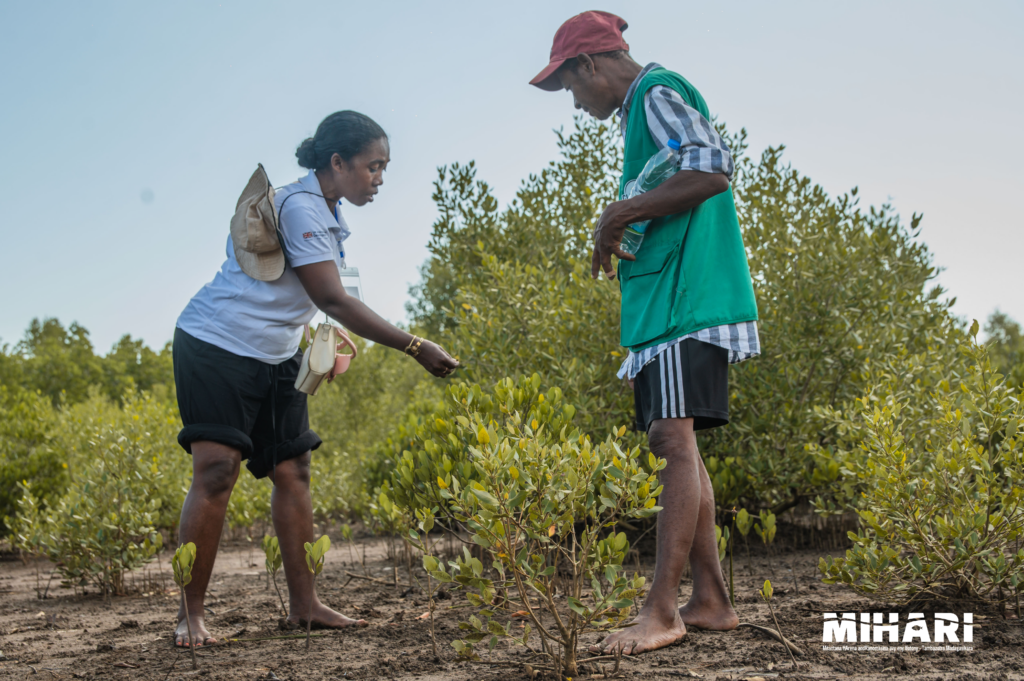
Conservation can deliver results when ecological restoration, monitoring and community participation are brought together. In Antanamitarana, mangrove restoration supported by CEPF covers 2.4 hectares, with approximately 4,500 propagules planted from three species. A survival rate of around 90% reflects the efforts invested in monitoring the plantations. The participation of around 170 people, including young people from the age of 12, also shows how these activities can become opportunities for intergenerational knowledge transfer. In Nosy Sakatia, coral reef restoration and marine turtle conservation activities likewise rely on the participation of different stakeholders within the territory. The coral restoration programme led by Korai in Sakatia and Nosy Tanga covers a target area of 7,300 m². In Sakatia, 17 coral species have been treated and more than 500 people have participated in the different activities, including fishers, young people, educators and fishers’ wives.
These experiences provide a clearer understanding of the links between ecosystem restoration, marine conservation and climate resilience. Restoring a mangrove or coral reef is not only an ecological action. It also helps maintain the ecosystem functions on which coastal communities depend. Discussions on nature-based solutions and climate change adaptation reinforced this approach, highlighting the restoration of forests and mangroves, the protection of turtle habitats, reef restoration, as well as awareness-raising, Dina and the use of local knowledge.
Inclusion is measured by the place people actually have in decision-making
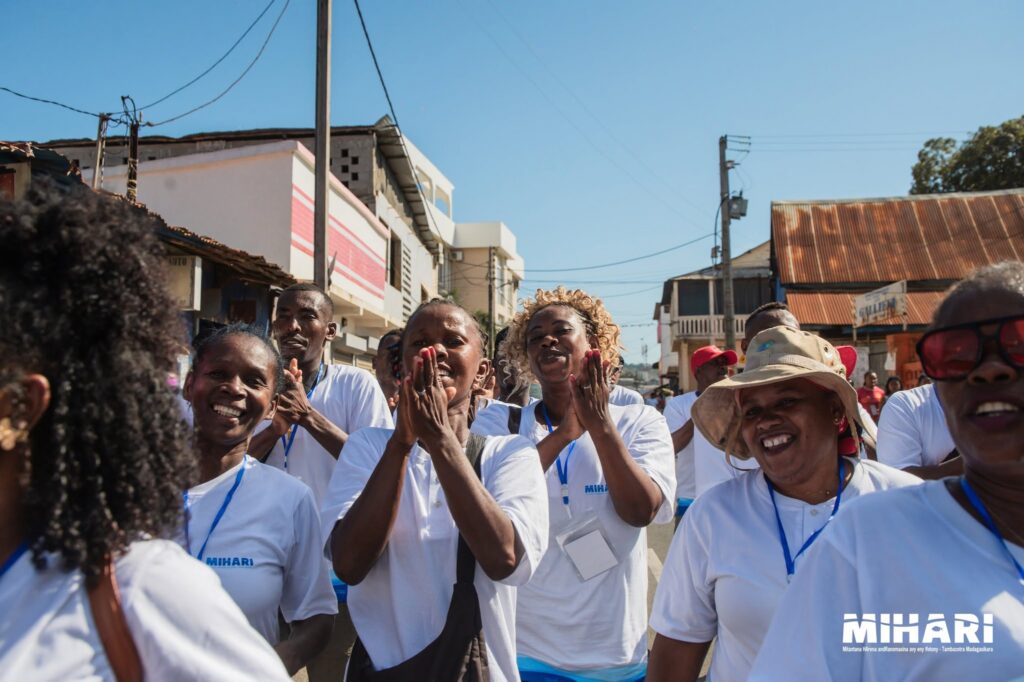
The sustainability of community governance also depends on the diversity of people who participate in it. Yet women’s participation continues to be influenced by social and cultural norms that often associate leadership with male figures.
Family responsibilities, lack of self-confidence, the influence of spouses and the limited recognition of women’s authority can restrict their access to responsibilities. At the same time, the emergence of women leaders and gender-focused training demonstrate that these dynamics can change. The challenge now is to move beyond women’s mere presence in meetings and activities. Their participation must translate into a meaningful role in decision-making, organisational management and community leadership. This is an integral part of inclusive natural resource governance: people who depend on resources and contribute to their management must be able to participate fully in decisions that shape the future of their territories.
Livelihoods are part of the conservation equation
Sustainable marine resource management must take into account the economic needs of communities. When people depend directly on fisheries and coastal resources, periods of low catches or conservation-related restrictions can have immediate impacts on household incomes.
In Antsanitia, initiatives supporting aquaculture, tourism and crab farming have therefore been considered as alternatives to reduce this vulnerability. Linking conservation with livelihoods is essential to ensuring that actions can be sustained over time. This does not mean that every LMMA should adopt the same activities. Rather, solutions need to be designed around the economic realities of each territory.This is also why discussions on financial literacy are important. The 32 participants in the financial management session worked on expenditure planning, emergency savings and preventing over-indebtedness. Applied both to community activities and household incomes, these skills can help strengthen the ability of local actors to make more sustainable financial decision.
Commitments to advance LMMA governance
The dialogue with authorities did not remain at the level of discussion. It resulted in commitments aimed at strengthening LMMA recognition, governance and sustainable management. The MPEB reaffirmed its commitment to moving forward with LMMA labelling in order to strengthen the recognition already achieved, while continuing to improve the legal framework and support their management. The MEDD committed to continuing its collaboration with the MIHARI Network and other stakeholders to improve LMMA governance, policies and status.
The MATSF confirmed its commitment to strengthening land tenure security and planning for the use of spaces and territories concerned by LMMAs, in accordance with community rights. The Nosy Be Prefecture also reaffirmed its role in coordination, law enforcement and awareness-raising at local level. For its part, the MIHARI Network will continue to advocate for the interests of LMMAs, facilitate experience-sharing and collaborate with the State and partners to strengthen the sustainable governance of marine and coastal areas.These commitments reflect an important shift: the sustainability of LMMAs is not the sole responsibility of communities. It requires shared responsibility among communities, local and national authorities, technical services, conservation organisations and partner.
Documenting experiences so they do not remain isolated
The North-West LMMA Regional Forum in Nosy Be highlighted the value of a network such as MIHARI: a local experience becomes more useful when it can be documented, discussed and made available to other communities.
A challenge encountered in financial management can help another organisation establish its own transparency mechanisms earlier. An experience in mangrove restoration can provide guidance to another LMMA planning a similar initiative. An advocacy approach can inspire a community facing challenges related to recognition or securing its territory. This exchange of experiences gives real meaning to the documentation and sharing of community practices. The aim is not simply to preserve the memory of an activity, but to transform experience into useful knowledge: understanding what was done, in what context, what challenges were encountered, what results were achieved and what conditions made progress possible.
The four days of the Forum brought together field experiences, scientific knowledge, public policies and community realities. Field visits helped place the discussions within their territorial context and highlighted how marine conservation is shaped by the interaction of different forms of knowledge. Across the experiences shared and the dialogue with authorities, one conviction emerged: the sustainability of LMMAs in Madagascar depends on the ability to connect conservation, governance, rights, recognition, territorial security, livelihoods, climate resilience and cooperation among stakeholders.
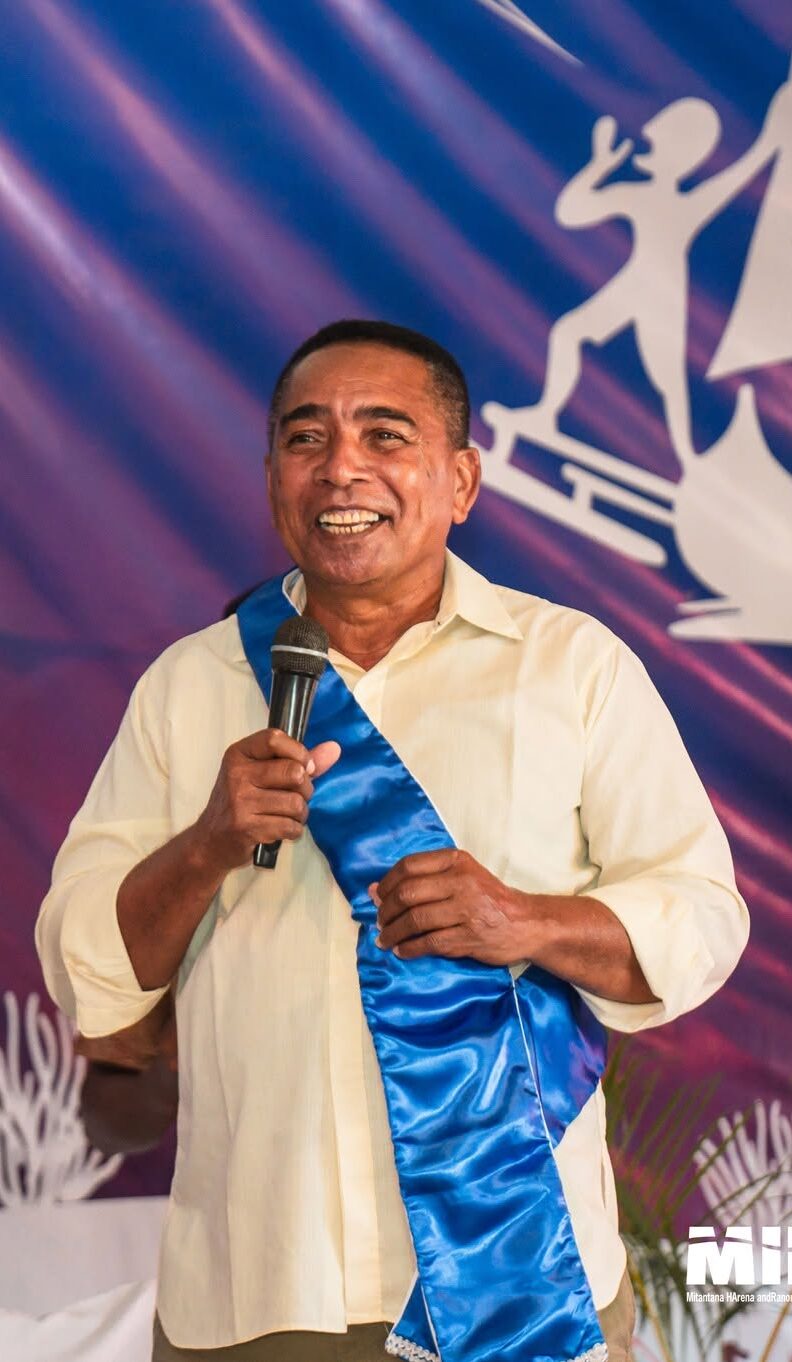
This commitment to passing on resources is not limited to natural resources. It also concerns the knowledge gained by those who manage them every day. By sharing these experiences and strengthening dialogue between communities and institutions, LMMAs contribute to building a collective body of knowledge on community-based marine resource management and, above all, to providing other territories with reference points that can help them continue taking action.